Managing a large estate, working farm, or rural ranch is a multifaceted endeavor that requires the right balance of machinery, specialized infrastructure, and expert third-party support. Whether you are overseeing hundreds of acres of agricultural land, developing a private family compound, or maintaining a multi-use ranch, keeping operations running smoothly depends heavily on your operational toolkit. From clearing dense timber and maintaining healthy water bodies to hauling oversized machinery, having access to key resources ensures safety, productivity, and long-term land value.
The Foundation of Rural Land Management
Every functional acreage relies on heavy-duty machinery designed to tackle tough terrain and demanding labor. Sourcing reliable tools and maintaining high-performance machinery is often the first operational priority for landowners. Partnering with established farm equipment companies allows estate managers to secure high-quality tractors, implements, tillers, and utility task vehicles necessary for daily routines. Having access to strong dealer support, replacement parts, and regular servicing ensures that critical planting, mowing, and harvesting schedules remain uninterrupted regardless of the season.
For major earthmoving tasks, land grading, road building, and drainage management, standard agricultural tools are sometimes not enough. Deploying heavy equipment such as excavators, skid steers, track loaders, and bulldozers gives operators the leverage needed to reshape landscapes, dig irrigation channels, clear thick brush, and lay foundations for new outbuildings. Having the capability to execute large-scale earthworks on demand keeps major property development projects on track and within budget.
Maintaining Water Quality and Aquatic Ecosystems
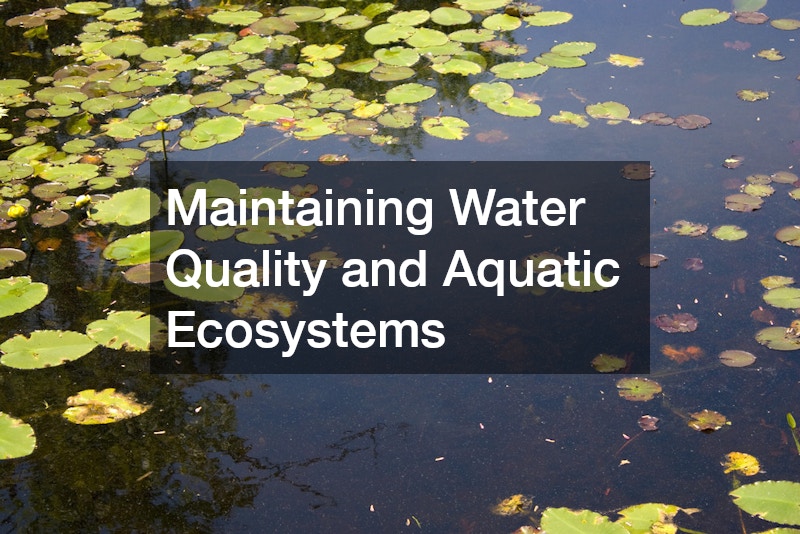
A key element of effective land stewardship involves keeping ponds, stock tanks, and lakes clean and biologically balanced. Unmanaged bodies of water quickly succumb to stagnant conditions, leading to algae blooms, unpleasant odors, and fish die-offs. Installing sustainable, off-grid aeration systems helps circulate oxygen through all water depths, breaking down bottom muck and maintaining a healthy aquatic environment. Investing in aeration windmill installations provides a cost-effective, environmentally friendly way to continually oxygenate isolated ponds without needing to run electrical wiring to remote sections of the property. Harnessing steady rural winds allows these mechanical systems to push continuous streams of compressed air down to bottom-diffuser plates, continuously driving oxygen into deep thermal layers that standard surface aerators often fail to reach.
Properly oxygenated water benefits stock animals, prevents mosquito breeding, and protects the overall ecological health of your acreage. Combining natural wind-driven aeration with proactive weed management creates low-maintenance, crystal-clear water features that serve both functional livestock needs and aesthetic recreation. When oxygen levels remain consistently elevated, beneficial aerobic bacteria thrive, actively digesting organic sludge, fallen leaves, and excess nutrient runoff before they can feed toxic cyanobacteria or foul-smelling blue-green algae. This natural breakdown process prevents deep-water dead zones, stabilizes dissolved oxygen levels through hot summer afternoons, and prevents disastrous winter fish kills caused by ice-covered, gas-trapped waters. Additionally, livestock prefer drinking clean, oxygen-rich water, which directly supports their overall health, hydration, and weight gain. By turning stagnant retention ponds into self-sustaining aquatic sanctuaries, wind-powered aeration systems reduce the need for harsh chemical treatments, lower ongoing energy utility costs, and enhance the natural beauty and property value of rural estates.
Forest Management and Timber Maintenance
Managing large numbers of trees across a sprawling property presents unique safety and logistical challenges. Overgrown timber, diseased branches, and storm-damaged trunks pose severe threats to homes, barns, power lines, and fence boundaries. Engaging a certified tree removal service ensures that hazardous growth is safely mitigated before severe weather creates costly emergencies. Professional crews possess the specialized rigging, cranes, and safety gear required to take down massive trees in tight spaces without damaging surrounding structures or delicate soils. These expert arborists evaluate structural integrity, identify early signs of pest infestation or fungal decay, and execute complex felling procedures that eliminate property risks before a major windstorm or heavy ice event forces an unexpected collapse.
In addition to hazardous tree removal, ongoing timber care includes selectively thinning overcrowded stands, clearing invasive underbrush, and grinding leftover stumps. Clearing fence lines and maintaining open sightlines along access roads not only improves overall property aesthetics but also creates essential firebreaks, reducing wildfire risks in vulnerable rural regions. Beyond basic hazard mitigation, strategic forestry management actively enhances the overall ecological health and commercial value of your forested land. Thinning dense canopies allows essential sunlight to reach the forest floor, encouraging the growth of native grasses and forage that benefit local wildlife and grazing livestock alike. Removing invasive species prevents native tree species from being choked out, ensuring that timber stands remain healthy, robust, and disease-resistant for generations. Furthermore, systematic stump grinding and brush chipping convert potentially hazardous yard waste into useful organic mulch, which can be repurposed across garden beds, high-traffic animal pathways, and erosion-prone slopes. By partnering with dedicated forestry professionals to establish a routine arbor care schedule, property managers can transform dangerous, overgrown timberlands into clean, navigable, and highly resilient forest ecosystems.
Custom Infrastructure and Metalwork Solutions

Rural properties demand sturdy, long-lasting structures built to endure extreme weather, heavy livestock use, and daily wear and tear. Standard off-the-shelf hardware often fails under harsh outdoor conditions, making custom structural components essential. Contracting steel fabrications allows property owners to construct tailored entry gates, heavy-duty cattle guards, reinforced equipment sheds, custom trailers, and durable fencing frameworks that withstand decades of intense utility. Investing in high-grade metalwork ensures that perimeter security and structural outbuildings remain resilient against severe winds, driving rain, and the constant physical impact of large livestock. Custom-engineered metal infrastructure eliminates the structural weaknesses typical of mass-produced timber or light-gauge aluminum alternatives, providing peace of mind for property owners who need long-term dependability.
Beyond new construction, custom metalworking enables precise modifications to existing implements and machinery. Welding reinforced hitches, fabricating custom mounting brackets, and repairing cracked chassis members on-site minimizes equipment downtime and extends the working lifespan of valuable assets. When specialized field equipment sustains structural damage or requires custom adaptations for specific farm attachments, having access to professional metal fabrication services saves thousands of dollars compared to complete equipment replacement. Skilled fabricators can modify standard agricultural trailers with heavy-duty ramps, weld protective brush guards onto utility vehicles, and reinforce stress points on earthmoving buckets. They can also craft tailored storage racks for heavy tools, create structural supports for remote solar arrays, and fashion heavy steel feeding troughs built to withstand years of trampling. By integrating bespoke welding and structural design into routine maintenance and land development projects, estate and ranch managers ensure every piece of hardware on the property is tailored to its exact operational environment, built for peak efficiency, and engineered to endure the most demanding field conditions.
Controlled Growing Environments and Agricultural Output
For estates and ranches focused on high-yield crop production, nursery propagation, or year-round produce harvesting, specialized growing facilities are indispensable. Working with commercial greenhouse companies allows managers to design climate-controlled environments tailored to specific plant varieties and regional microclimates. These structures provide optimal lighting, automated irrigation, shade cloth controls, and heating systems, shielding high-value crops from unexpected late frosts, scorching heatwaves, and pest infestations.
Whether operating a small-scale commercial nursery, propagating native vegetation for land restoration, or growing farm-to-table vegetables for a private estate, modern engineered greenhouses deliver predictable, year-round growing conditions that maximize yield while conserving water and energy resources.
Surface Restoration and Maintenance Techniques
Outdoor machinery, trailers, iron gates, and stone structures constantly face exposure to moisture, UV rays, dirt, and chemical fertilizers. Over time, paint chips away, rust sets in, and surface corrosion compromises structural integrity. Utilizing mobile sandblasting services offers a convenient, on-site solution for stripping away decades of paint, severe rust, scale, and grime without having to haul heavy machinery off the property.
By taking specialized abrasive blasting equipment directly to your field or shop, operators can quickly restore tractor frames, stock trailers, metal buildings, and stone masonry to pristine condition. Prepping metal surfaces through abrasive blasting ensures that fresh protective primers and industrial coatings adhere properly, adding years of rust-free service life to critical assets.
Transport, Logistics, and Fleet Support

Moving vehicles, implements, and utility fleets around large properties and along public roadways requires reliable logistical support. For lighter daily travel across fields, pastures, and estate grounds, compact utility vehicles provide quick, efficient transport for tools, feed bags, and maintenance personnel. Utilizing a lifted or ruggedized golf cart offers an ideal, low-impact solution for navigating narrow dirt tracks, checking fences, and escorting guests around the grounds without tearing up delicate turf or consuming excessive fuel. These light-duty electric or small gas units keep routine inspections fast and accessible, allowing groundskeepers to zip between pastures or check remote irrigation lines without firing up full-sized diesel rigs.
When heavy machinery breaks down in the field, or non-drivable vehicles need transport to distant service centers, professional vehicle recovery becomes critical. Establishing relationships with dependable towing companies ensures prompt flatbed hauling for broken-down trucks, disabled tractors, and utility trailers stranded in difficult field conditions. Having a trusted recovery team on speed dial eliminates costly operational downtime during peak harvesting or planting seasons, guaranteeing that disabled assets are safely loaded and transported to certified mechanics without inflicting further damage to axles or transmissions.
Additionally, many working ranches and private estates feature large motorized living quarters, mobile office trailers, or heavy horse trailers that exceed normal roadside recovery dimensions. Securing specialized rv towing services guarantees that oversized rigs, heavy camper units, and long gooseneck trailers are transported safely using proper heavy-duty wheel-lifts and specialized towing gear designed specifically for high-clearance, high-tonnage loads. These specialized heavy-haul providers possess the permits, weight-rated flatbeds, and under-reach extensions required to navigate tight rural roadways, low-hanging tree branches, and unpaved driveway entries. By pairing agile on-site utility buggies with robust off-site recovery networks, large property managers create a seamless transport ecosystem that protects expensive machinery, preserves estate grounds, and maintains uninterrupted operational flow across every square mile of land.
Strategic Asset Management and Operational Synergy
Building a reliable ecosystem of equipment suppliers, field technicians, and specialized contractors is essential for long-term operational success. Property managers must balance immediate land development needs with routine, long-term asset preservation. When every component of a property operates in harmony, operating costs drop significantly and overall property valuation rises.
For instance, coordinating land clearing efforts directly alongside site development projects reduces the need for redundant equipment transportation. Once land is cleared of hazardous trees and graded properly, custom metal structures can be erected on solid, well-draining ground, and nearby water features can be fitted with aeration systems before stagnation ever becomes a concern. Securing proper transport partners ensures that when machinery needs routine maintenance or emergency repairs, it moves off and on the property without stalling ongoing workflows.
Integrated Land Management Strategies
To maximize both operational efficiency and long-term land value, property managers must integrate these various services into a coherent, proactive maintenance strategy. Rather than addressing problems reactively—such as waiting for a dead tree to collapse on a fence line or allowing a pond to turn completely anaerobic—instituting seasonal maintenance schedules protects capital investments and reduces overall operating expenses. Proactive land management relies on mapping out a multi-year master plan that aligns equipment usage, contracted labor, and routine property upgrades with seasonal weather patterns and financial cycles. Building structured schedules for every operational asset prevents small maintenance oversights from cascading into catastrophic structural or mechanical failures down the road.
During dry summer months, prioritize land-clearing tasks, structural welding projects, and surface restoration work while ground conditions support heavy machinery without causing severe soil compaction. Summer provides the ideal window for staging heavy excavators, completing sandblasting projects, and erecting custom steel gates or outbuildings without fighting mud or sub-zero temperatures. Transition into the cooler autumn months by focusing on water feature aeration adjustments, greenhouse prep for winter crops, and routine mechanical overhauls for field implements before winter storage. Autumn is also the ideal time to clear fence lines, trim back tree canopies before heavy snow and ice arrive, and apply fresh protective coatings to metal structures exposed to harsh winter elements.
Spring then becomes a time for active soil management, crop propagation, and reviewing field equipment readiness before peak growing seasons kick into high gear. Establishing a routine audit of fence lines, water features, road networks, and fleet machinery allows managers to catch wear and tear early, budget accurately for specialized vendor support, and allocate labor efficiently. By combining top-tier physical machinery with expert third-party services, farm, ranch, and estate operators can preserve ecological health, maintain robust structural infrastructure, and ensure smooth operational success across every acre.