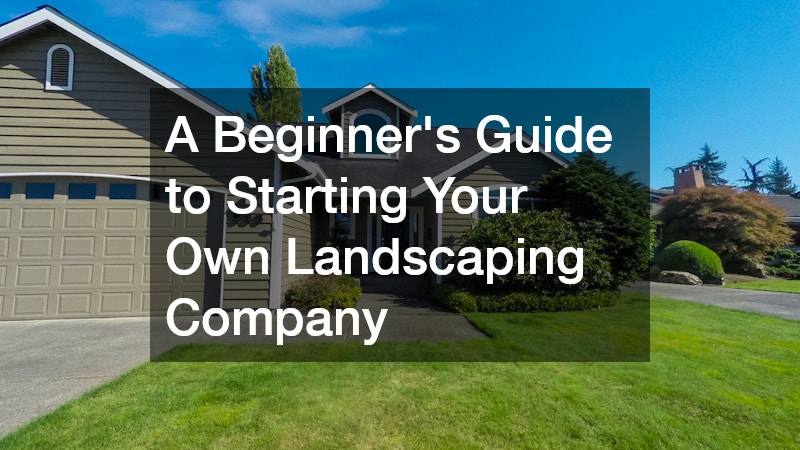
Starting a service business outdoors can be appealing because it combines hands-on work, creativity, and entrepreneurship. Many people are drawn to the idea of building a landscaping company because it offers visible results, flexible growth paths, and relatively accessible startup requirements compared to other construction trades. Still, success rarely comes from buying tools and advertising immediately. It begins with understanding demand, planning services carefully, and approaching growth strategically.
Before making any large investments, it helps to evaluate the housing stock, climate patterns, and development trends in your area. New construction zones often require installation work, while established neighborhoods may need maintenance and upgrades. Understanding this balance helps determine whether you should prioritize installations, maintenance, or design-focused services early on. That clarity influences pricing, staffing, and marketing decisions from the start.
Learning Your Market Before Spending Money
New business owners often underestimate how important market research is in service industries. Talking to homeowners, property managers, and builders gives you insight into what people actually request rather than what you assume they need. This helps you avoid overinvesting in equipment that supports services with limited demand. It also allows you to identify pricing ranges that your area can realistically sustain.
Working alongside local landscape designers can provide a deeper understanding of neighborhood preferences, zoning rules, and aesthetic expectations. Designers often know which features clients request most frequently and which trends are fading. Their perspective can help you shape your service list so it aligns with current demand rather than outdated assumptions.
Deciding What Services To Offer First
Many beginners try to offer everything immediately, but spreading yourself too thin often leads to inconsistent quality. A better approach is to start with a focused service mix that balances reliable income with growth potential. Maintenance services may provide steady cash flow, while installation work often produces higher margins. Choosing the right balance early helps stabilize the business.
Providing landscape material delivery can be a practical starting point because it requires less technical specialization while still building relationships with contractors and homeowners. Deliveries introduce your business to potential clients who may later hire you for installations or maintenance. This gradual entry point helps you build revenue while learning the local market.
Building Strong Supplier Relationships
Reliable suppliers are essential because material delays can stall projects and damage your reputation. Establishing an account with a dependable landscaping material supplier ensures you have consistent access to soil, stone, and plant materials. Stable supply lines also allow you to give more accurate project timelines and estimates to customers.
Working with a trusted masonry supplier opens opportunities to expand into patios, retaining walls, and decorative stone features. These projects often carry higher margins than basic maintenance work. Building these partnerships early can help you grow into larger projects more smoothly.
Planning For Installation Services
Outdoor illumination has become increasingly popular because it enhances safety and extends the usable hours of a property. Adding landscape lighting services allows you to offer both aesthetic and practical upgrades. Lighting projects also tend to involve repeat work for maintenance or system adjustments, creating ongoing revenue opportunities.
Water management is another consistent demand area. Offering sprinkler installation allows you to help clients maintain plant health while conserving water. Irrigation services also pair naturally with lawn installation and renovation projects, which can increase average job value.
Expanding Into Structural Features
Once you establish basic services, expanding into construction-style projects can increase profitability. Many homeowners are willing to invest in outdoor living spaces that add both function and property value. Offering hardscape installations such as patios or walkways allows your business to move into higher-revenue project categories.
Ground covering materials remain one of the most requested upgrades in residential landscaping. Helping clients select the right type of mulch improves soil moisture retention and visual appearance. These smaller upgrades often lead to larger renovation projects once homeowners see the benefits.
Establishing Lawns For New Properties
New developments frequently require rapid turf establishment, which creates opportunities for sod installations that provide immediate visual results. This service is particularly valuable in areas where erosion control or property resale timelines are important. Establishing healthy lawns quickly can make your business attractive to builders and real estate professionals.
Lawn work also creates opportunities for recurring maintenance contracts. Once a property owner invests in turf installation, they often want ongoing care to protect that investment. This recurring revenue can stabilize income during slower seasons.
Budgeting And Startup Equipment
Initial investments should focus on versatile tools rather than specialized equipment. Trucks, trailers, and cutting equipment that support multiple services will give you more flexibility in the early stages. This approach prevents unnecessary debt and helps your business stay adaptable as demand shifts.
Vehicles capable of supporting landscape material delivery often become the backbone of daily operations. They allow you to transport tools, remove debris, and handle supply pickups. Multifunctional equipment reduces overhead and improves efficiency.
Pricing Jobs With Confidence
Accurate pricing builds trust and prevents misunderstandings with customers. Detailed estimates that explain labor, materials, and timelines help clients understand the value of the work. Transparent pricing also reduces the likelihood of disputes once projects begin.
Strong relationships with your landscaping material supplier make cost calculations more predictable. When you know material pricing in advance, you can protect your margins and provide reliable quotes. This consistency improves your reputation and helps attract repeat clients.
Growing Through Partnerships And Referrals
Word-of-mouth marketing remains one of the most effective growth tools in the landscaping industry. Satisfied customers often recommend reliable contractors to neighbors and colleagues. Building relationships within your community can therefore be more valuable than aggressive advertising campaigns.
Collaborating with local landscape designers can also increase referral opportunities. Designers often need reliable installers who can execute their plans accurately. Being known as dependable in that network can bring steady project flow.
Managing Workflows And Project Timing
As your business grows, scheduling becomes more complex. Coordinating labor, deliveries, and inspections requires structured planning to avoid delays. Digital scheduling tools can help track projects and allocate crews efficiently.
Reliable timing from a consistent masonry supplier helps prevent interruptions during construction phases. When materials arrive on schedule, crews remain productive and projects stay on track. That reliability becomes part of your professional reputation.
Offering Ongoing Maintenance Services
Lighting systems often require adjustments as seasons change or landscaping matures. Providing maintenance for installed landscape lighting systems creates recurring work and strengthens customer relationships. Ongoing service contracts also help stabilize revenue during slower installation periods.
Irrigation systems benefit from periodic inspections as well. Servicing sprinkler installation systems helps ensure efficiency and prevents water waste. Preventive maintenance can be easier to sell when clients understand it protects their investment.
Building A Portfolio That Attracts Clients
Documenting completed projects is one of the simplest ways to build credibility. Photos of finished hardscape installations demonstrate your ability to handle complex work. Before-and-after images help prospective clients visualize what your company can deliver.
Seasonal refresh projects, including replacing worn mulch, often produce visually striking results. These smaller projects are excellent for marketing because the transformation is easy to see. A strong visual portfolio often drives more inquiries than written descriptions alone.
Scaling Your Business Strategically
Growth should be steady rather than rushed. Expanding services gradually allows you to maintain quality while building operational experience. Hiring too quickly or taking on unfamiliar projects too soon can strain resources.
Large developments frequently require multiple sod installations, which can provide steady revenue streams once relationships are established. These projects often lead to ongoing maintenance work as well. Consistent clients make long-term planning easier.
Running a service business successfully requires balancing immediate revenue with long-term reputation. Reliability, communication, and consistent quality often matter more than rapid expansion. Businesses that focus on dependable service tend to grow more sustainably.
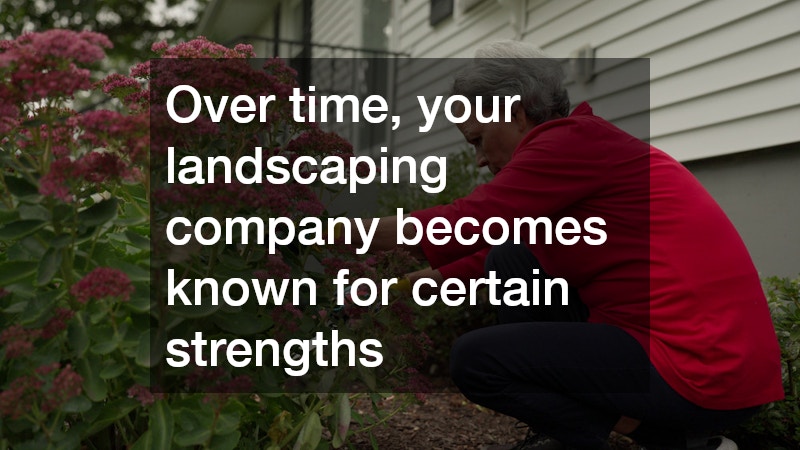
Over time, your landscaping company becomes known for certain strengths, whether installation expertise, design collaboration, or maintenance reliability. That identity helps attract the right clients and simplifies marketing efforts. Sustainable growth usually comes from steady improvement rather than dramatic expansion.