Managing corporate risk effectively is a top priority for modern organizations, regardless of size or industry. Businesses today operate in an environment shaped by rapid technological change, fluctuating markets, evolving regulations, and increasingly complex operational structures. Because of this, risk is no longer something that can be addressed only when problems arise—it must be embedded into daily decision-making and long-term planning.
Corporate risk can take many forms. Financial instability, workforce shortages, infrastructure failures, legal disputes, and digital vulnerabilities can all disrupt operations if they are not anticipated and managed properly. Companies that succeed in today’s environment are those that take a proactive, structured approach to identifying risks early and building systems that reduce their impact.
This article explores practical, actionable strategies for managing corporate risk across key business areas. Each section focuses on real-world applications, offering frameworks and tips that organizations can implement immediately to strengthen resilience and ensure long-term stability.
Strengthening Financial Protection and Leadership Decisions
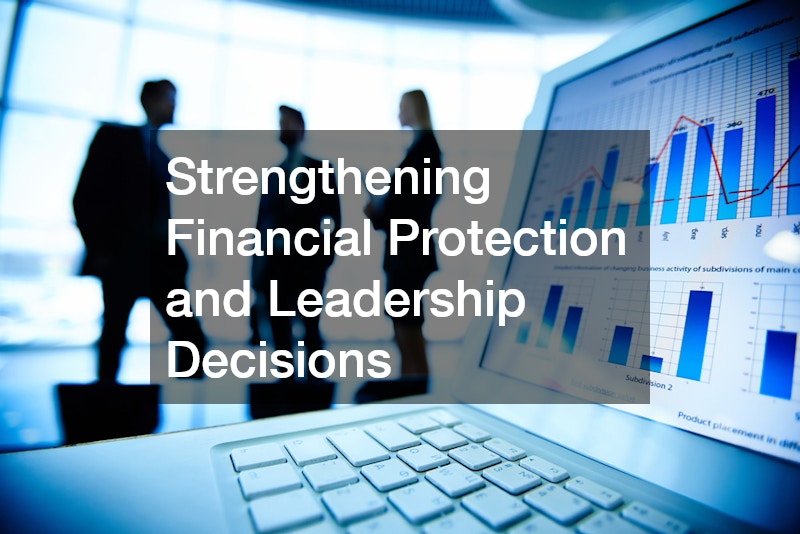
One of the most critical areas of corporate risk management is financial protection and leadership oversight. Without strong safeguards in these areas, even minor disruptions can escalate into serious business threats. Financial instability and weak leadership structures often compound, creating vulnerabilities that can affect cash flow, investor confidence, and long-term sustainability. Organizations that prioritize these two areas build a stronger foundation for resilience and growth, even during periods of uncertainty.
Building Financial Safeguards and Risk Transfer Systems
Businesses must first understand how financial exposure affects their operations. Unexpected lawsuits, property damage, supply chain interruptions, or liability claims can quickly drain resources if not properly managed. That is why structured protection strategies are essential, especially in industries with high operational complexity or physical assets.
A key component of financial risk management is evaluating coverage options that align with the organization’s actual exposure. Many companies rely on commercial business insurance to protect against losses tied to property damage, liability claims, and operational disruptions. However, simply having coverage is not enough—organizations must regularly review and adjust their policies as the business grows or changes, ensuring that new assets, services, or locations are properly included.
It is also important to consider financial interdependencies across departments. For example, a delay in one area of operations may trigger cascading financial losses in another. Strong risk transfer systems help distribute these risks more effectively and reduce the burden on internal capital reserves.
Practical steps include:
- Conducting annual financial risk assessments
- Reviewing insurance coverage against current business operations
- Identifying gaps in liability, property, and operational protection
- Creating a centralized risk register for tracking exposures
- Stress-testing financial resilience under different disruption scenarios
- Establishing emergency liquidity reserves for unexpected events
By treating financial protection as an ongoing process rather than a one-time decision, businesses significantly reduce long-term vulnerability and improve their ability to respond quickly to crises.
Strengthening Leadership and Strategic Oversight
Leadership plays a direct role in how effectively risk is managed. Poor leadership decisions often lead to misaligned priorities, weak governance structures, and ineffective response strategies. In contrast, strong leadership creates clarity, accountability, and a proactive approach to identifying and mitigating risk before it escalates.
Organizations can reduce leadership-related risk by carefully evaluating executive capabilities and decision-making approaches. Many companies work with an executive search firm to identify leaders who not only meet technical qualifications but also demonstrate strong risk awareness, strategic thinking, and crisis management abilities. This ensures that leadership teams are not only operationally competent but also able to navigate uncertainty and long-term disruption.
In addition, leadership must actively promote a culture where risk awareness is embedded in everyday decision-making. This includes encouraging open communication about potential vulnerabilities and ensuring that teams feel empowered to escalate concerns early.
Key leadership risk management practices include:
- Defining risk competencies for executive roles
- Incorporating scenario planning into leadership training
- Establishing clear accountability structures for executive decisions
- Conducting performance reviews focused on risk awareness
- Encouraging cross-departmental collaboration on risk identification
- Integrating long-term strategic forecasting into leadership discussions
When leadership aligns with risk-conscious thinking and is supported by structured financial safeguards, organizations are far better equipped to navigate uncertainty, respond effectively to challenges, and maintain stability even in volatile environments.
Reducing Workforce and Talent-Related Risk
Workforce stability is another major pillar of corporate risk management. Hiring mistakes, labor shortages, and poor workforce planning can significantly disrupt business continuity. Since employees directly influence productivity, customer experience, and operational execution, even small gaps in talent strategy can create outsized organizational risk. Businesses that fail to manage workforce risks effectively often experience declining efficiency, higher turnover costs, and inconsistent service delivery.
Building Reliable Hiring Systems
A poorly structured hiring process can lead to mismatches, high turnover, and productivity losses. Organizations must develop clear, consistent recruitment systems that prioritize long-term fit over short-term hiring speed. This includes defining roles more precisely and ensuring that hiring decisions are based on measurable competencies rather than subjective impressions.
Many companies partner with a recruiting agency to streamline talent acquisition and ensure candidates are properly screened and matched to organizational needs. These partnerships help reduce hiring errors, improve candidate quality, and shorten time-to-hire while maintaining consistency in evaluation standards across departments.
To strengthen hiring systems, businesses should:
- Standardize job descriptions and candidate evaluation criteria
- Use structured interviews to reduce bias
- Implement skills-based assessments where applicable
- Track hiring performance metrics such as retention rates
- Develop onboarding programs that reinforce role expectations
- Continuously refine hiring processes based on turnover data and feedback
A structured approach reduces uncertainty in hiring decisions and improves overall workforce stability, ensuring that new employees integrate more effectively into company culture and performance expectations.
Improving Workforce Flexibility and Scalability
Beyond hiring, organizations must also prepare for fluctuations in labor demand. Seasonal shifts, project-based workloads, and unexpected employee turnover can create staffing gaps that disrupt operations and reduce service quality. Without a flexible workforce strategy, companies may struggle to meet deadlines or maintain consistent output during peak demand periods.
This is where effective staffing services become critical. These services help businesses maintain workforce flexibility by providing temporary, contract, or specialized labor support when needed, allowing organizations to scale operations without overextending permanent staffing costs.
Workforce adaptability also requires forward planning and continuous monitoring of labor trends. Organizations that fail to anticipate changes in workforce needs often find themselves reacting too late to prevent operational disruption.
Best practices include:
- Developing workforce forecasting models based on business cycles
- Maintaining a flexible mix of permanent and temporary employees
- Creating backup staffing plans for critical roles
- Monitoring labor market trends for proactive hiring
- Cross-training employees to cover multiple responsibilities
- Building internal talent pipelines for high-demand positions
By building flexibility into workforce planning, companies reduce operational risk, improve response time to labor shortages, and maintain productivity even during periods of rapid change or uncertainty.
Protecting Physical Assets and Infrastructure

Physical infrastructure is often overlooked in risk management strategies, yet it plays a crucial role in ensuring operational continuity. Buildings, equipment, and facility systems form the backbone of daily business operations, and when these assets fail, the resulting disruptions can affect productivity, employee safety, and revenue generation. A strong infrastructure risk strategy helps organizations avoid unexpected downtime and extend the life of critical assets.
Preventing Structural and Facility Failures
Building systems, roofs, and structural components are subject to wear and environmental damage over time. Weather conditions, aging materials, and lack of routine maintenance can all contribute to deterioration. If not properly maintained, these issues can lead to costly repairs, operational shutdowns, and serious safety hazards, exposing businesses to liability risks.
Many organizations invest in commercial roofing maintenance programs to ensure structural integrity and prevent weather-related damage. Regular inspections and timely repairs help identify weak points before they escalate into major failures. This proactive approach reduces emergency repair costs and minimizes disruption during peak business operations.
Risk reduction strategies include:
- Scheduling routine property inspections
- Monitoring environmental exposure risks such as moisture, heat, or storm damage
- Tracking maintenance history for all building systems
- Prioritizing repairs based on risk severity and operational impact
- Using predictive maintenance tools to identify early warning signs
- Ensuring compliance with local building and safety regulations
A proactive maintenance approach reduces the likelihood of unexpected disruptions, improves workplace safety, and extends the lifespan of assets, ultimately lowering long-term operational costs.
Maintaining Functional and Safe Workspaces
In addition to structural maintenance, day-to-day facility upkeep is equally important. Small issues such as broken fixtures, faulty wiring, or neglected repairs can quickly escalate into significant safety risks if left unaddressed. These minor problems often create cascading effects that disrupt workflow efficiency and employee productivity.
Organizations often rely on commercial handyman services to efficiently handle ongoing repairs and maintenance. These services provide consistent support for addressing facility issues before they develop into more serious operational challenges. By outsourcing or formalizing maintenance responsibilities, businesses ensure that no detail is overlooked.
Actionable steps include:
- Establishing a preventive maintenance schedule for all facilities
- Conducting monthly facility walkthroughs to identify emerging issues
- Documenting repair requests, resolution timelines, and maintenance outcomes
- Addressing safety hazards immediately rather than delaying action
- Creating a centralized reporting system for facility-related issues
- Training employees to report maintenance concerns promptly
By maintaining consistent oversight of physical assets and ensuring rapid response to facility issues, businesses minimize operational disruptions, reduce liability exposure, and create a safer, more productive working environment.
Mitigating Financial, Legal, and Compliance Risk
Financial accuracy and legal compliance are essential components of a strong risk management framework.
Strengthening Financial Oversight and Accuracy
Financial mismanagement can quickly lead to regulatory issues, poor decision-making, and reputational damage. Organizations must ensure that financial records are accurate, transparent, and consistently reviewed.
An accountant plays a key role in maintaining financial integrity by managing reporting processes, ensuring regulatory compliance, and identifying discrepancies early.
Best practices include:
- Conducting monthly financial reconciliations
- Implementing internal financial controls
- Reviewing cash flow and expense trends regularly
- Maintaining audit-ready documentation at all times
Strong financial oversight ensures that leadership decisions are based on accurate and reliable data.
Reducing Legal Exposure in Property and Transactions
Legal risk is another important consideration, particularly in real estate and property-related transactions. Documentation errors, unclear ownership records, or improper filings can result in costly disputes.
Many businesses use title insurance to protect against ownership claims, legal discrepancies, and documentation errors in property transactions.
Key risk reduction strategies include:
- Verifying all legal documents before finalizing transactions
- Maintaining centralized storage for contracts and property records
- Conducting periodic legal compliance reviews
- Ensuring clear documentation of ownership rights
Legal diligence protects businesses from disputes that can disrupt operations and financial stability.
Managing Operational Efficiency and Environmental Risk
Operational and environmental risks are increasingly influenced by technology systems and workplace conditions.
Reducing Digital and System Vulnerabilities
Technology plays a central role in modern business operations, but it also introduces new risks. System failures, cyber vulnerabilities, and poor software design can disrupt workflows and compromise data security.
A software developer is essential in ensuring systems are properly designed, maintained, and secured. Their work directly impacts the stability and reliability of business operations.
Key practices for reducing digital risk include:
- Implementing regular system updates and patches
- Conducting cybersecurity audits and vulnerability assessments
- Using secure coding practices in software development
- Monitoring system performance and uptime continuously
A strong digital infrastructure reduces operational disruptions and enhances overall efficiency.
Maintaining Safe and Hygienic Work Environments
Environmental conditions within workplaces also play a significant role in operational risk. Poor cleanliness or inconsistent sanitation can lead to health issues, employee absenteeism, and reduced productivity.
Organizations often rely on janitorial services to maintain cleanliness standards across facilities and ensure compliance with health and safety regulations.
Best practices include:
- Establishing daily and weekly cleaning schedules
- Conducting regular sanitation audits
- Ensuring proper waste management systems
- Maintaining hygiene compliance documentation
A clean and well-maintained environment supports employee well-being and reduces operational risk.
Effective corporate risk management requires a comprehensive, proactive approach that addresses financial, operational, workforce, infrastructure, and compliance-related challenges. Businesses that integrate structured planning, consistent monitoring, and cross-functional accountability are better positioned to handle uncertainty and maintain stability.
Rather than treating risk as an isolated function, successful organizations embed it into every level of decision-making. This creates a resilient foundation that allows companies to adapt, grow, and remain competitive even in unpredictable environments.