Growing a business often means facing a tough choice: hire more staff and buy more equipment, or lean on outside vendors for the extras you need. Overspending on vendors can quietly drain your budget, while underinvesting can stall growth at the worst possible time. The good news is that smart scaling does not require an all-or-nothing approach. With a clear strategy for when to rent, when to outsource, and when to bring things in-house, you can grow efficiently without watching your margins disappear.
Renting Heavy Machinery Instead of Buying It Outright
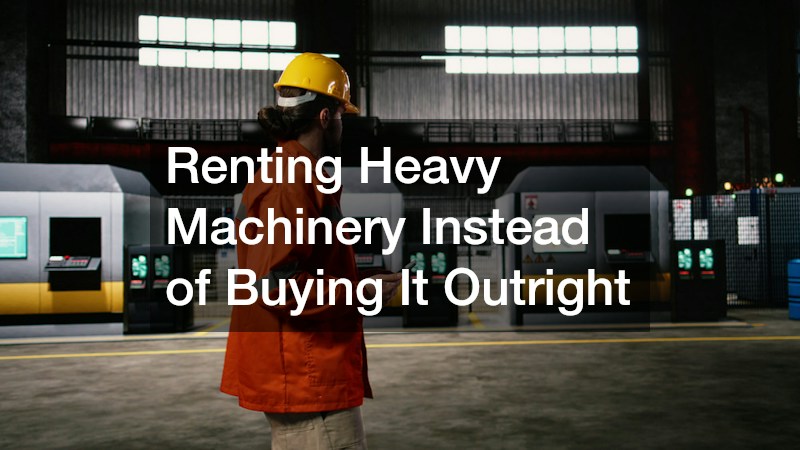
One of the biggest budget traps for growing companies is purchasing expensive equipment that only gets used occasionally. A heavy equipment rental arrangement lets you access excavators, forklifts, or generators exactly when a project calls for them, without the long-term cost of ownership, storage, maintenance, or depreciation. This approach is especially useful for companies that experience seasonal spikes in demand or take on short-term contracts that require specialized machinery.
Renting also gives you flexibility to test newer equipment models before committing to a purchase. You avoid the risk of owning outdated machinery in a few years, and you free up cash that would otherwise sit in depreciating assets.
- Rental costs are often tax-deductible as a business expense
- No need to budget for repairs, insurance, or storage space
- Access to newer, better-maintained equipment
- Ability to scale machinery use up or down based on project volume
Choosing Contractors for Short-Term Projects
When a project requires specialized skills your internal team does not have, working with commercial contractors can be far more cost-effective than hiring full-time employees. Contractors bring in trained crews for a defined scope of work, whether that is a renovation, a new build-out, or infrastructure upgrades, and then move on once the job is done. This keeps your payroll lean while still giving you access to expert labor.
The key to making this work financially is clear scope definition upfront. Vague contracts lead to change orders and cost overruns, which is exactly the kind of overspending businesses are trying to avoid. Get detailed bids, compare timelines, and check references before signing anything.
- Request itemized quotes to avoid hidden fees
- Confirm licensing and insurance coverage before work begins
- Set milestone payments tied to completed work stages
- Build in a buffer for unexpected site conditions
Managing Waste and Debris During Growth Phases
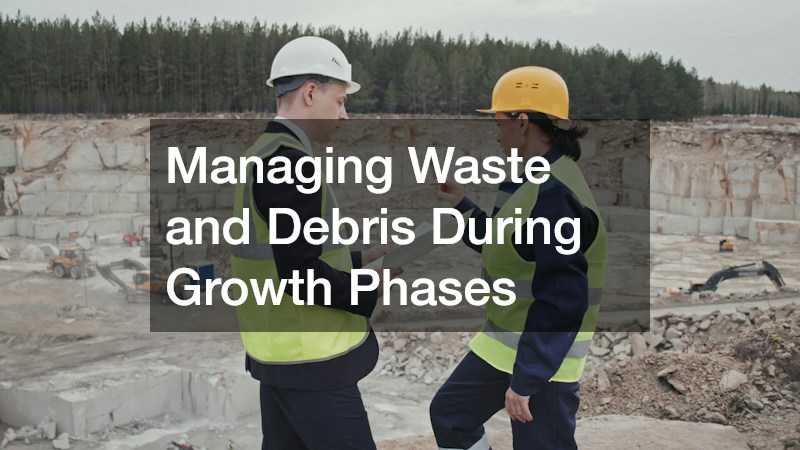
Expansion often creates more physical waste than businesses anticipate, whether from packaging, construction debris, or old furniture and equipment being cleared out. A move to a larger facility alone can generate several tons of discarded material once you factor in shipping pallets, broken-down shelving, and outdated inventory. Underestimating this volume is one of the most common budget surprises during a growth phase. Renting dumpster rentals for a set period is usually far cheaper than paying repeated hauling fees or letting waste pile up and slow down operations. A single 20-yard dumpster rented for a week or two often costs less than three or four separate pickup calls to a waste management service, especially once you account for rush fees and overflow charges. Scheduling the rental to align with your busiest disposal days, such as move-in or renovation completion, also keeps the container from sitting half-empty while you pay for it. Sizing the container correctly for your project avoids paying for capacity you do not need. A 10-yard dumpster typically handles a small office cleanout, while a 30 or 40-yard unit suits construction debris or a full warehouse purge. It also helps to check local regulations on permitted placement and prohibited materials, since fines for improper disposal can quickly erase any savings the rental was meant to provide.
For day-to-day operational waste, a reliable garbage collection schedule matters just as much as the big cleanout projects that get all the attention during expansion. Businesses that scale quickly sometimes outgrow their existing waste contract without realizing it — a bin that comfortably handled trash for a 15-person office suddenly can’t keep up once headcount doubles or production ramps up. The result is overflowing bins, pest problems, and possible code violations that draw unwanted attention from local inspectors. Reviewing your garbage collection service frequency every few months as your operations grow keeps this cost predictable and prevents last-minute scrambling. Pay attention to warning signs like bins that are full well before pickup day, employees leaving bags beside the dumpster instead of inside it, or recurring odor complaints. Each of these is a signal that your current contract no longer matches your actual volume. When you approach your vendor for an adjustment, come with specifics: current bin size, pickup frequency, and an estimate of how much your waste output has increased. Many providers offer tiered pricing for added pickups or larger containers, and negotiating a small increase now is almost always cheaper than paying penalty fees for overflow or emergency hauls later. Building this review into your regular operational checklist — alongside things like inventory counts or staffing forecasts — ensures waste management scales in step with the rest of the business instead of lagging behind it.
- Match dumpster size to project scope — a 10-yard container suits small cleanouts, while 30-40 yard units fit major renovations or new construction
- Ask about weight limits before loading heavy construction debris; overage fees can run $50-$100+ per ton and quietly erase any savings from choosing a bigger bin
- Reassess garbage pickup frequency after adding staff or square footage, since a schedule built for 10 employees won’t cover a facility that’s doubled in size
- Compare rolloff vs. scheduled pickup service based on whether waste is a one-time surge or an ongoing byproduct of higher output
- Bundle waste services when possible for better rates, combining dumpster rental, recycling, and regular hauling under one vendor contract
- Request a rate lock or multi-month agreement during growth phases to avoid price hikes as your volume — and negotiating leverage — increases
Keeping Building Climate Systems Running Efficiently
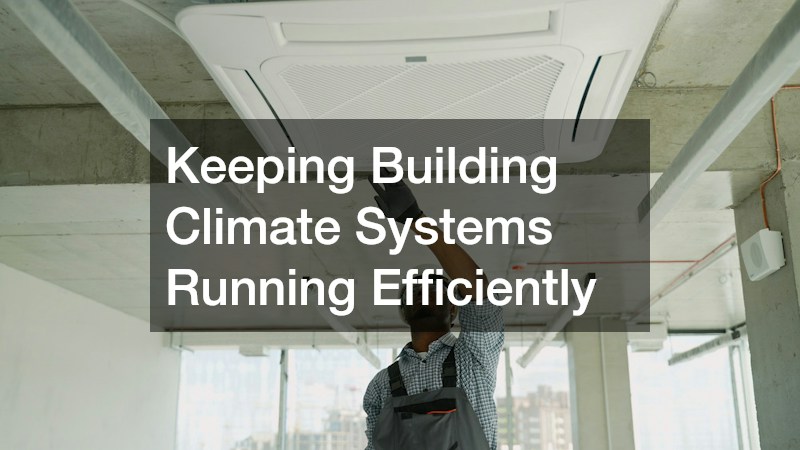
As a business adds staff, equipment, or square footage, existing climate control systems often get pushed past their original capacity. A unit sized for a 20-person office can’t efficiently cool the same space once headcount doubles or new server equipment adds heat load. The result is a system that runs constantly, cycles inefficiently, and still leaves parts of the building uncomfortable. An aging unit that struggles to keep up is a common sign that AC replacement is more cost-effective long term than continuing to patch a system with frequent repairs. As a rule of thumb, if repair costs exceed 30-50% of the price of a new unit, or if the system is older than 10-15 years, replacement almost always wins out financially. Frequent breakdowns also carry hidden costs beyond the repair invoice, including emergency service call fees and the productivity lost when employees work in an uncomfortable space. Waiting too long to replace an inefficient unit usually costs more in energy bills and lost productivity than the upfront investment. Older systems can lose 20% or more of their original efficiency, which shows up directly on monthly utility statements. Budgeting for AC replacement proactively, rather than waiting for a full breakdown, also lets a business schedule installation during off-peak hours to avoid disrupting operations.
For larger facilities, working with established commercial HVAC companies during a growth phase ensures the system is sized correctly for your current and near-future needs, not just today’s headcount. A qualified provider will factor in square footage, occupancy density, equipment heat loads, and even future buildout plans before recommending a system. This upfront diligence matters more than most business owners realize once a facility scales past a few dozen employees. Undersized systems installed to save money upfront often become a bottleneck within a year or two. Symptoms show up gradually: uneven temperatures between rooms, units running constantly without reaching setpoint, and rising utility bills as equipment strains to keep up. By the time these issues are obvious, replacing or upgrading the system usually costs far more than sizing it correctly from the start. Getting a load calculation done before any major expansion prevents this costly mistake. A Manual J or equivalent commercial load calculation accounts for variables like ceiling height, insulation quality, window placement, and the number of workstations or server racks generating heat. Investing a few hundred dollars in this analysis upfront can save tens of thousands in emergency retrofits later. It also pays to build a maintenance schedule alongside the initial installation, including filter changes, coil cleaning, and seasonal inspections. Many commercial HVAC companies offer service contracts that bundle these tasks at a predictable monthly rate, which is often cheaper than paying for emergency repairs after a breakdown during peak season.
- Ask for a Manual J load calculation before installing new HVAC equipment — guessing at size wastes 10-30% more energy than necessary
- Compare energy efficiency ratings (SEER, AFUE, HSPF) across replacement options, not just sticker price
- Schedule seasonal maintenance — spring for AC, fall for heating — to extend system lifespan and catch small issues before they become costly repairs
- Factor in future square footage and planned build-outs when sizing new units, so you’re not replacing equipment again in two years
- Track vendor invoices for recurring repair patterns; frequent service calls on the same unit often signal it’s cheaper to replace than keep patching
- Negotiate maintenance contracts with fixed annual pricing instead of paying per-visit rates that fluctuate with demand
Ensuring Accessibility as Facilities Expand
Growing businesses that serve the public or employ a diverse workforce need to think seriously about accessibility compliance, especially in multi-level buildings. Bringing in a chair lift company to assess your space early can prevent costly retrofits down the road and ensure you meet ADA requirements from the start. This is particularly important for businesses moving into older buildings that were not originally designed with modern accessibility standards in mind.
Planning for accessibility during a move or renovation is far cheaper than adding it as an afterthought once complaints or compliance issues arise. It also signals to customers and employees that the business values inclusivity, which can strengthen your reputation in the community.
- Get an accessibility audit before finalizing any lease or renovation
- Budget for installation and ongoing maintenance separately
- Check local and federal compliance codes before construction begins
- Consider future mobility needs, not just current requirements
Deciding Between Leasing and Owning Workspace
One of the biggest financial decisions during a growth phase is whether to commit to a long-term property purchase or pursue flexible office space rental instead. Leasing gives growing companies room to adjust their footprint as headcount changes, without the burden of a mortgage or the risk of owning property in a location that may not suit the business in five years. Many landlords are also willing to negotiate build-out allowances, which can offset some of the costs of customizing a space.
Shorter lease terms do come with the tradeoff of potential rent increases at renewal, so it is worth negotiating renewal terms and rate caps upfront. Businesses that anticipate rapid growth should also ask about expansion clauses that allow them to claim additional space in the same building before it goes to another tenant.
- Negotiate build-out allowances into your lease agreement
- Ask about expansion or right-of-first-refusal clauses
- Compare lease length against your projected growth timeline
- Factor in shared costs like utilities and common area maintenance
Protecting Sensitive Records During Growth
As companies scale, they accumulate more paperwork, client files, and financial records, much of which needs to be disposed of securely rather than simply thrown away. Hiring paper shredding companies on a scheduled basis protects the business from data breaches and helps meet privacy compliance requirements without dedicating internal staff time to the task. Many providers offer locked collection bins onsite, which makes the process seamless for employees.
This is one area where cutting corners can be far more expensive than the service itself, since data breaches often carry regulatory fines and reputational damage. Scheduling regular pickups also keeps physical storage space free, which matters more as square footage becomes a bigger expense during expansion.
- Confirm certificate of destruction is provided for compliance records
- Ask about onsite versus offsite shredding processes
- Set a recurring pickup schedule rather than one-time cleanouts
- Store sensitive documents in locked bins until pickup
Relocating Offices or Facilities Without Disruption
Whether a business is moving to a bigger space or consolidating locations, the logistics of a move can quietly become one of the most expensive parts of scaling if not planned carefully. Working with a company experienced in corporate moving reduces downtime by coordinating the transport of furniture, equipment, and files in a way that gets operations back up quickly. Trying to manage a large move with internal staff often costs more in lost productivity than the move itself.
Planning the move during off-peak business hours or slower seasons can also reduce the disruption to clients and daily operations. Clear labeling systems and a detailed floor plan for the new space prevent the common chaos of misplaced equipment and delayed setup.
- Get moving quotes at least a few weeks in advance
- Create a labeling system for boxes and equipment by department
- Schedule the move during low-activity periods when possible
- Confirm insurance coverage for high-value equipment during transport
Scaling operations does not have to mean choosing between reckless spending and stalled growth. By matching each need to the right solution, whether that is renting equipment, outsourcing specialized labor, or bringing certain services in-house, businesses can grow with financial discipline. The next step is to review your current vendor relationships and identify where flexibility could save money without sacrificing quality or speed.