Keeping vehicles, equipment, generators, and other fuel-dependent operations running requires more than having the right equipment. Businesses also need a dependable way to keep fuel available when it is needed. Running out of fuel can interrupt schedules, delay projects, and create unnecessary downtime. For companies that rely on diesel-powered equipment, arranging fuel delivery can provide a more convenient way to manage this essential resource.
Diesel fuel delivery is designed to bring fuel directly to a business, job site, farm, facility, or other approved location. Instead of requiring employees to leave the workplace to purchase and transport fuel, a delivery provider handles the transportation and dispensing process.
This approach can save time, simplify fuel management, and contribute to greater productivity.
What Is Diesel Fuel Delivery?
Diesel fuel delivery is a service in which a fuel provider transports diesel to a customer’s designated location. Depending on the provider and the customer’s needs, deliveries may be scheduled in advance, arranged on a recurring basis, or requested when fuel levels become low.
The process typically begins when a customer provides information about the delivery location, the type and quantity of fuel needed, and any scheduling requirements. The provider then coordinates transportation using an appropriate fuel delivery vehicle.
When the driver arrives, the fuel is transferred from the delivery vehicle into an approved storage tank or directly into eligible equipment, depending on the service. The goal is to make obtaining fuel more convenient while reducing the time employees spend traveling away from their primary responsibilities.
How Does the Delivery Process Work?
The process can vary between providers, but most deliveries follow several basic steps. First, the customer determines how much fuel is required and contacts the provider to arrange a delivery.
The provider may ask questions about the location, storage capacity, fuel requirements, and preferred delivery window. This information helps ensure that the appropriate vehicle and amount of fuel are sent to the location.
Once the delivery is scheduled, a driver transports the fuel to the designated site. The driver follows applicable procedures for safely transferring the fuel into the customer’s approved storage system or equipment.
After the delivery is complete, the customer receives documentation showing the amount delivered and other relevant transaction details. Recurring customers can then use their delivery history to make future fuel planning easier.
How Can Fuel Delivery Save Time?
One of the biggest productivity advantages of having fuel delivered is that employees do not necessarily need to leave the workplace to obtain it. A business owner, manager, operator, or employee who would otherwise spend time driving to a fuel station can remain focused on productive responsibilities.
For companies managing multiple vehicles or pieces of equipment, those saved trips can add up. A single fuel run might seem insignificant, but repeated trips throughout a week or month can consume considerable working time.
Scheduling deliveries also makes it possible to incorporate fuel management into an existing operating routine. Rather than waiting until equipment is nearly empty and then arranging an urgent fuel run, businesses can establish a more predictable approach.
How Can Businesses Improve Fuel Management?
Effective fuel management begins with knowing how much fuel a business typically uses. Keeping records of deliveries and consumption can help identify trends and highlight unusual changes.
Businesses can also establish clear responsibilities for monitoring fuel levels. Instead of leaving the task to whoever happens to notice that a tank is getting low, assigning responsibility to a specific employee or team can make the process more consistent.
Technology may also support this effort. Depending on the storage equipment and services available, businesses may use monitoring systems or inventory tools to track fuel levels. These tools can help provide information that supports more timely ordering decisions.
Better planning can prevent both shortages and unnecessary emergency deliveries, making fuel management a more predictable part of daily operations.
What Should You Consider Before Scheduling a Delivery?
Before arranging a delivery, businesses should consider their fuel consumption, storage capacity, delivery location, and operating schedule. Knowing the approximate amount of fuel required can help prevent ordering too little or more than the storage system can safely accommodate.
It is also important to ensure that storage tanks and equipment are appropriate for the fuel being used. Businesses should follow applicable safety requirements and provider instructions regarding fuel storage and transfer.
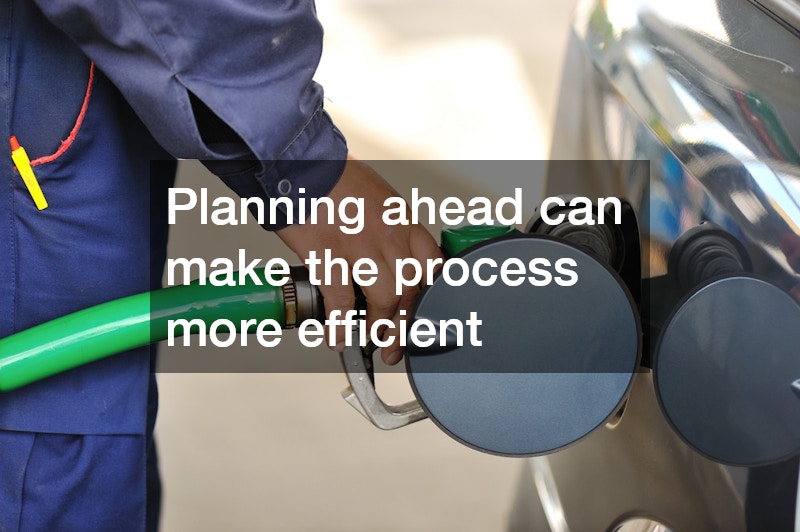
Planning ahead can make the process more efficient. Providing accurate delivery information and keeping access areas clear can help drivers complete deliveries without unnecessary delays.
For businesses that depend on diesel-powered vehicles and equipment, managing fuel efficiently can contribute to smoother operations. Diesel fuel delivery provides a convenient alternative to having employees regularly leave the workplace to obtain fuel, helping businesses make better use of their time.
By tracking consumption, establishing appropriate delivery schedules, and maintaining suitable storage capacity, businesses can make fuel management a more predictable part of their operations. The result can be fewer unnecessary trips, less disruption, and more time available for the work that drives the business forward.