When embarking on a significant construction project, the scope and complexity of the endeavor often necessitate the use of specialized equipment. Crane services are integral in such situations, offering the strength and precision required to handle heavy lifting and positioning tasks. Determining your specific project needs is the first step in ensuring you select the most appropriate crane service for the job.
By assessing the weight and dimensions of the materials to be lifted, as well as the height and distance they need to be moved, you can identify the type of crane suitable for your project. Whether it’s a tower crane for skyscraper construction or a mobile crane for more accessible sites, understanding these details is critical to successful project execution.
Failing to accurately understand the project’s logistics can result in delays and increased costs, making it crucial to engage with experts who can offer guidance. Consulting with crane service providers during the planning phase allows for precise mapping of operational needs and potential challenges. These discussions should cover essential aspects such as site accessibility, existing landscape, and any environmental factors that could impact crane operations. Moreover, understanding load limits and permissible ground pressure are crucial for safety and performance, reducing the risk of accidents. Partnering with a reputable crane service ensures that all these factors are considered, giving you peace of mind and allowing the project to proceed smoothly.
One crucial, but sometimes overlooked element, is ensuring that the team you are working with possesses the necessary certifications and industry experience. This expertise not only influences the efficiency of the project but also impacts adherence to safety regulations. Crane service providers typically offer insights into regulatory compliance, which is indispensable for avoiding any legal pitfalls. Experienced operators are adept at handling complex tasks and unexpected issues, ensuring the project timeline remains intact. In the end, a knowledgeable service provider can save both time and resources, solidifying the success of the project.
Navigating the Crane Service Market
The search for a reliable crane service can feel daunting, given the sheer number of companies available in the market. Navigating options efficiently involves assessing key factors such as reputation, experience, and service offerings. Customer reviews and past project portfolios can offer valuable insights into how a service provider performs, highlighting strengths and potential red flags. Engage with companies that have a strong track record and specialize in the specific types of crane operations you need. This initial research phase is critical in shortlisting reputable candidates capable of handling your project’s demands.
Once potential crane services are identified, obtaining detailed quotes and service agreements is a prudent next step. Pricing structures can vary significantly, with some providers offering package deals that include additional services like transport and on-ground support personnel. Reviewing these documents not only helps in comparing costs but also gives an understanding of what’s included in each service package. Clear and transparent communication with the service provider during the negotiation phase ensures that there are no hidden costs or surprises down the road. Asking direct questions about equipment maintenance, insurance coverage, and worker qualifications can further aid in making an informed decision.
Industry insights suggest that investing time in this selection process could lead to substantial cost savings and increased operational efficiency. The value of partnering with a reliable crane service transcends the immediate project and can form the basis for a lasting business relationship. Building a rapport with a trusted provider can facilitate smoother future projects, as the service team will be familiar with your operational style and requirements. In the competitive construction industry, forging such alliances can offer a strategic advantage, enabling more seamless execution of large-scale projects.
Ensuring Project Safety and Compliance
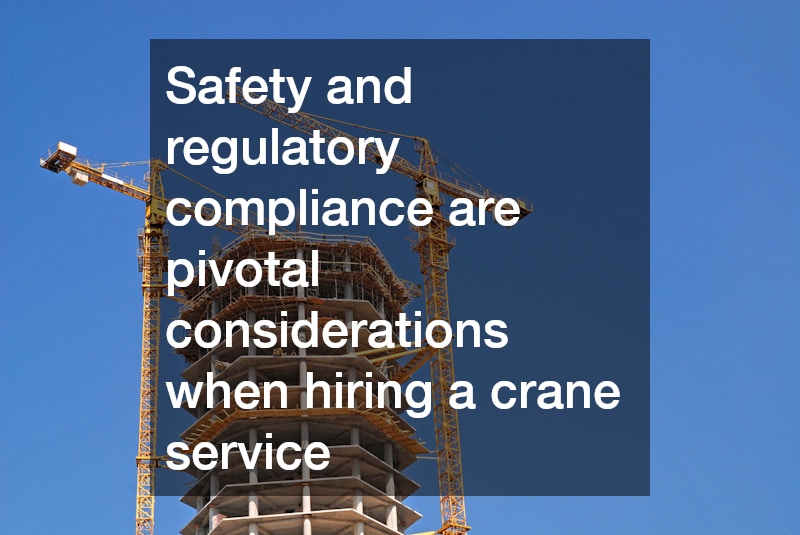
Safety and regulatory compliance are pivotal considerations when hiring a crane service. The risks associated with crane operations necessitate rigorous adherence to safety standards to protect both workers and the public. It is the responsibility of the crane service provider to ensure that all equipment is inspected regularly and that operators are adequately trained and certified. Before commencing any work, the service provider should conduct a thorough site evaluation to identify potential hazards and implement necessary precautionary measures. A commitment to safety not only prevents accidents but also enhances overall project efficiency.
Engaging with a crane service that prioritizes compliance with industry regulations can avert costly penalties and project delays. The evolving landscape of safety protocols makes it essential for service providers to stay updated on OSHA guidelines and local legislation. Ensuring that these regulations are consistently met safeguards your project from unforeseen legal issues. It’s advisable to request proof of compliance and training records from the service provider as part of your due diligence. A proactive approach to safety can significantly reduce the likelihood of accidents, minimizing work stoppages and maintaining steady progress.
Moreover, comprehensive insurance coverage is a non-negotiable aspect of hiring a crane service. This coverage should protect against damage or loss caused by accidents during crane operations. Engaging in open discussions about insurance policies with prospective service providers can provide clarity on liabilities and coverage in various scenarios. Establishing this understanding from the outset ensures that both parties are aware of their responsibilities, fostering a cooperative working relationship. In conclusion, prioritizing safety and compliance is foundational to the success of any construction project, ensuring a smooth and incident-free operation.