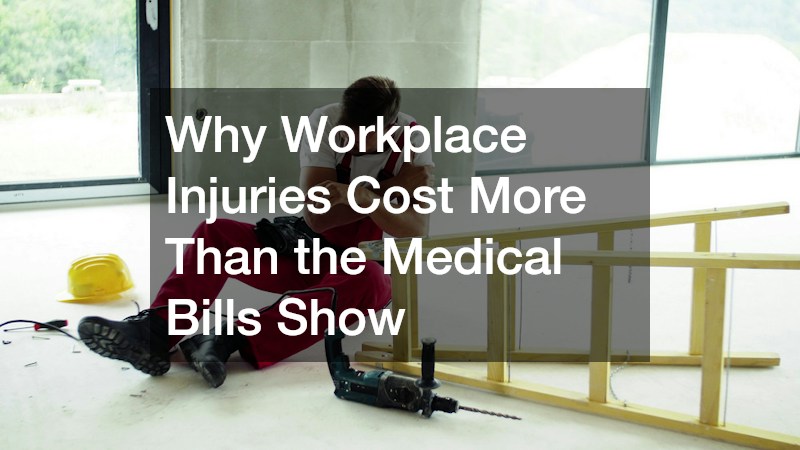
A workplace injury rarely announces its full financial impact up front. The emergency room bill or urgent care invoice feels like the end of the story, but for many injured workers, it is only the opening chapter. Lost wages, long-term care needs, household disruptions, and legal complications can pile up for months or years after the initial treatment. Understanding the hidden costs ahead of time can help you protect your finances and make smarter decisions about your recovery.
Lost Wages That Extend Beyond the Recovery Period
Missing a few days of work is manageable for most households, but serious injuries often keep people out far longer than expected. Many workers underestimate how long recovery actually takes, especially with injuries involving surgery, physical therapy, or nerve damage. Even after returning to work, some employees can only manage reduced hours or lighter duties, which means a smaller paycheck for weeks or months.
Workers compensation typically covers only a percentage of lost income, not the full salary a person would have earned. This gap becomes especially painful for hourly workers, commission-based employees, or anyone who relies on overtime to make ends meet.
- Partial wage replacement often covers only two-thirds of average earnings
- Missed bonuses, commissions, or shift differentials are rarely reimbursed
- Reduced work capacity can last well after the medical bills stop arriving
- Self-employed and gig workers may receive little to no wage protection
Long-Term Medical Needs That Are Easy to Overlook

Initial treatment addresses the immediate injury, but many workplace injuries require ongoing care that isn’t obvious at first. Chronic pain, repeated imaging, follow-up surgeries, and long-term medication can all add unexpected costs well after the claim appears closed. A back injury, for instance, may look resolved after six weeks of treatment, only to flare up a year later and require an MRI, a specialist consult, and a new round of care. Physical therapy in particular is often underestimated, both in duration and in out-of-pocket expense once insurance caps are reached. Many plans limit coverage to 20 or 30 visits per year, but injuries like rotator cuff tears or spinal damage can require months of consistent sessions to regain functional use. Once the cap is hit, employees often pay $75 to $150 per session out of pocket, or simply stop treatment early, which can prolong recovery and increase the risk of re-injury. Other overlooked needs include assistive devices such as braces or orthotics, psychological support for employees dealing with chronic pain or trauma, and periodic specialist visits to monitor conditions that never fully resolve. Each of these adds a recurring cost that rarely shows up in initial injury estimates but accumulates significantly over the life of a claim.
Mental health treatment is another overlooked expense. Workers recovering from traumatic injuries sometimes develop anxiety, depression, or post-traumatic stress, especially after severe accidents involving machinery, falls, or incidents that caused visible harm to coworkers. These conditions can surface weeks or months after the physical wound has healed, which means they rarely appear on the first hospital bill or even the initial claim estimate. Treatment often means weekly therapy sessions, psychiatric evaluations, and sometimes long-term medication, all of which add up over a year or more. A single course of trauma-focused therapy can run into thousands of dollars, and many injured workers need ongoing support well beyond what a short-term disability plan anticipates. There’s also a productivity cost tied to this: untreated psychological trauma can delay an employee’s return to work, extend light-duty assignments, or contribute to a second injury if the worker comes back before they’re mentally ready. Employers who ignore this piece of recovery often find themselves paying for it indirectly, through turnover, lost output, or a reopened claim.
Household and Family Expenses That Quietly Add Up
An injury affects more than the person hurt. Families often take on new expenses to manage daily life while someone recovers, and these costs are almost never counted when people estimate what an injury will cost them. Transportation to follow-up appointments, home modifications, and temporary caregiving arrangements are common examples.
- Hiring help for childcare, cleaning, or yard work during recovery
- Paying for transportation if driving is no longer possible
- Installing ramps, railings, or other home accessibility features
- Covering a spouse’s lost income if they reduce work hours to provide care
Legal and Insurance Complications That Delay Payment
Not every workplace injury claim moves smoothly through the system. Disputes over fault, denied claims, or disagreements about the extent of an injury can stall compensation for months, leaving injured workers to cover expenses out of pocket in the meantime. This is especially common in cases involving third parties, such as injuries that happen on a job site involving multiple contractors or subcontractors.
In these more complicated cases, a construction accident lawyer can help sort out which party or insurance policy is actually responsible for covering damages. This matters because workers compensation may not be the only source of recovery available, particularly when equipment malfunctions, unsafe site conditions, or third-party negligence contributed to the injury. Getting this distinction right early can prevent a worker from settling for far less than their actual losses.
Reduced Earning Potential From Permanent Limitations
Some injuries heal completely, but others leave lasting limitations that change what kind of work a person can safely do. A worker who previously relied on physical labor may be forced into a lower-paying role if their injury prevents heavy lifting or long hours on their feet. This kind of career disruption is one of the most under-recognized costs of a workplace injury.
Calculating this loss requires looking beyond current medical bills and considering lifetime earning potential. Someone in their thirties with a permanent back injury, for example, may face decades of reduced income rather than a one-time financial setback.
- Forced career changes into lower-paying industries
- Loss of opportunities for promotion or advancement
- Reduced ability to work overtime or physically demanding shifts
- Early retirement due to ongoing physical limitations
The true cost of a workplace injury almost always extends beyond the numbers printed on a medical bill. Lost wages, long-term care, family disruption, and reduced earning potential can add up to far more than most people expect. Taking the time to understand these hidden costs early can help injured workers make informed decisions and avoid financial surprises down the road. If your situation feels complicated or your losses seem larger than what’s being offered, it’s worth seeking guidance before accepting any settlement.